

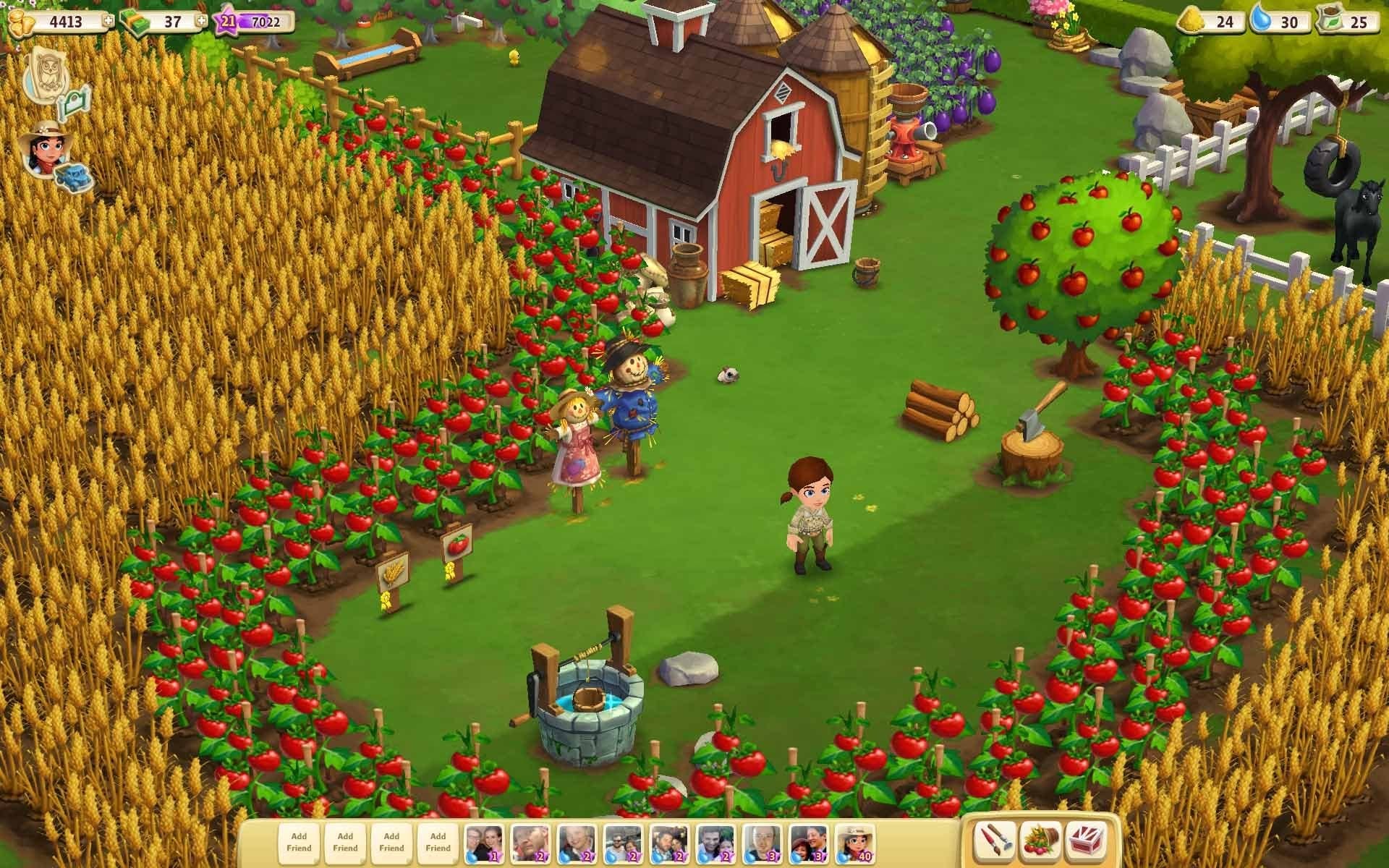
Fifteen years ago, my cousin sent me an invite to join Farmville, a Facebook game in which the user can live their agrarian dream life: running through rows of pixelated maize, watching cows pop out more cows, and making a fat profit from all the produce they can sell to the local townsfolk. Even in the digital age, there remains an attractive mystique that clings stubbornly to the smallholding farmer, a role uniquely distant, it seems, from the alienating trappings of urban modernity, and commonly portrayed as closer to the earth in its natural state.
Peasants, on the other hand, evoke mostly pity, condescension, or — especially when they step out of line — vicious contempt. In 1381, King Richard II, facing the largest popular revolt in English history so far, told them:
“You wretches detestable on land and sea: you who seek equality with lords are unworthy to live … rustics you were, and rustics you are still; you will remain in bondage, not as before, but incomparably harsher.”
Life for England’s rural and urban poor alike was obviously harsh, but Richard’s alleged (and in-character) use of “bondage,” while descriptive in the sense of functional class relations, did not fully illustrate the fact that late medieval peasants typically lived under multiple grades of legal status. A peasant who was free in “person” could, in theory, seek redress before a royal judge and move from place to place; one who was also free in “tenure” could pay rent to their lord in cash or produce rather than in labor. An unfree peasant, on the other hand, was subject to their lord’s private jurisdiction, forced to till their lord’s fields as rent, and indefinitely tethered to the manor in which they were born and would probably die.
Across most regions of France, both free and unfree peasants generally possessed some rights to the land on which they worked and lived, sheltering under laws that only allowed for conditional eviction long after the English gentry had begun enclosing their land from common use. Legal, customary, and geographical distinctions did not stop even free peasants, however, from being pulled into exploitative relations that placed them in an indefinite state of precarity: a subsistence worker forced to sell grain in a famine year to pay fixed rent, a family cast out of their home without their possessions because of outstanding debts, a village forced to buy usage of the lord’s grain mill at an exorbitant price. What those distinctions do illustrate is that “peasant” is not a universal legal category, but more a social and discursive concept formed from power and ideology and based on their relations to production.
In popular consciousness, peasants are typically seen as the farmer’s poorer, dumber, and more oppressed cousin, trapped in pre-modern history or the 21st century’s most under-developed areas. Monty Python and the Holy Grail portrays them with rotting teeth and frayed clothes, and their political consciousness is a device of absurd irony (or is it the other way around?); NBC Evening News anchor David Brinkley used “peasant” as melodramatic shorthand to describe how Mao Zedong, a librarian and educator from a family of independent farmers, seized power that should have fallen into hands of higher pedigree; history sketches for middle school students routinely deploy the double-meaning of “the peasants are revolting!” for humor and to underscore aristocratic hauteur.

“Revolt” follows “peasant” far more commonly than it does “farmer.” In advanced capitalist economies, most peasant smallholders have either moved to the city or become farmers who produce primarily for the market, formally own larger tracts of land, and often employ wage labor. Those characteristics, all defining their position in a capitalist economy, are often used to differentiate farmers from peasants. The potential for agrarian rebellion in this context is stunted: a centralized state armed with a police and surveillance apparatus can now preempt nascent unrest; anger is dissipated across formal grievance channels like government lobbying; social programs and agricultural subsidies reduce immediate desperation, though not their fundamental conditions.
Outside of this context, the barriers to violent action are much lower. Peasant communities, often possessing their own formal assemblies, can mobilize rapidly when provoked. Just as “peasant” has been a social and discursive concept shaped by popular media, it can also be a vague consciousness that, in the words of Eric Hobsbawm, “rests on the mutual recognition by peasants of the similarity of their relation to nature, to production, and to non-peasants … ideally humanity is the limit of this consciousness, and the political action which corresponds to it is the brief but vast millennial sweep or surge which, in theory at least, embraces the whole world.”
In lieu of explicit class consciousness, moral-religious fervor also framed their hopes and grievances:
“When Adam delved and Eve span, who was then the gentleman? From the beginning all men by nature were created alike, and our bondage or servitude came in by the unjust oppression of naughty men,” John Ball preached during the 1381 revolt.
In 184, Daoist healer Zhang Jue and his two brothers led a rebellion against the decaying Han dynasty, promising a renewed, communal social order after a great cosmic struggle:
“The Azure Sky is dead, the Yellow Sky will rise. When the year is jiazi, all under Heaven shall prosper.”
(蒼天已死,黃天當立。歲在甲子,天下大吉。)
Peasant revolts were usually suppressed, though the ruling classes occasionally made concessions to avoid future unrest. When the former gained the upper hand, the movement might be subsumed by leaders or allies who sought the power and trappings of high status for themselves. Sometimes, large numbers of peasants chose to side with reactionary and counter-revolutionary powers over the reformers, their opposition to the latter often cemented by cruel reprisals by the reformers against them. Successful revolts against class exploitation tended to yield relatively limited outcomes, such as local autonomy, rather than the complete overthrow of existing social structures. All of them registered human desires and material realities that do not vanish with time or by force from above.
In this newsletter, I will write about peasants in arms, the nature and composition of their movements, the direct and indirect causes of revolt, their portrayal in popular media, and how they viewed earth, heaven, and their place in both. I will try my best to publish something at least once every two weeks; part two of What is a Peasant? will come soon.
good enlightenment <3 cannot imagine the situation peasants used to be in back then, having to subject themselves to harsh physical labor and their obligations to the lord, meals served were always muted looking.
Fascinating post and hoping you’ll cover the Tolpuddle Martyrs and their influence on the trade union movement. My family surname was once Loveless. https://en.wikipedia.org/wiki/Tolpuddle_Martyrs